Welcome to the Nutters Club

Welcome to The Nutters Club, an online resource designed to inspire discussion and offer help with all things related to mental health.

You can join the discussion on Facebook
and find us talking it up over at Newstalk ZB.

The Nutters Club is a world first media phenomenon that has changed and saved lives. It has spawned a very large, strong and supportive Facebook community and morphed into a popular television series on Maori Television. Over 500,000 people view the Nutters Club Facebook page every week.

Now in its 15th year the radio show continues as the most popular in it's Sunday night timeslot. A live interview/talkback, The Nutters Club radio show deals with all the tough stuff that many in society would prefer to keep in the closet. Topics like mental health issues, drug/alcohol addictions and the socially taboo.

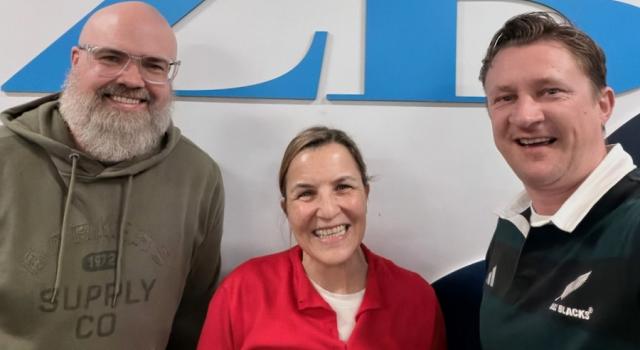
The show is hosted by Hamish Williams and Kyle MacDonald.

Nutters Video Clips

From time to time we will be producing new mini episodes of The Nutters Club from our Newstalk ZB studio. You’ll find these and other clips here.

Browse the episodes

TV Shows

Seventy five epsidoes of The Nutters Club TV show have been produced on topics such as depression, bipolar disorder, addiction, anxiety and much more.

Browse the series

Radio Shows

You can catch up on our Newstalk ZB radio show here every week with these podcasts of the entire show.
Listen to the podcasts

Latest TV show

Gary McPhee

Biker and colourful Mayor of Carterton, straight-talking Gary McPhee shares the microphone with Mike King and the ‘Nut-Cracker’ Dr David Codyre. From behind his tough exterior, Gary reveals his story of depression and crisis, and tells of finding a way through to the light at the end of the tunnel.

Latest radio show

Cam Madsen: From Panic to Purpose

A deeply personal account of anxiety, loss and recovery took centre stage on this week’s The Nutters Club, as guest Cam Madsen shared his journey from a carefree coastal upbringing to confronting severe mental health challenges.

Raised in the tight-knit beach community of Waihi Beach, Madsen described an upbringing that many would consider idyllic filled with surfing, rugby, music and strong family ties. Yet beneath the surface he struggled to find direction in early adulthood, drifting between jobs in mining, seasonal work, and overseas shipping roles while grappling with an emerging sense of unease.

That unease eventually escalated into heavy drinking and smoking, which he now recognises as attempts to mask deeper emotional struggles. Around his early twenties, Madsen hit what he describes as “rock bottom,” experiencing intense anxiety and repeated panic attacks that left him feeling overwhelmed and confused.

“I didn’t even know what it was,” he said of his first panic attack. “I thought it was something you only saw in movies.”

The turning point came when friends, recognising something was wrong, drove hours to his location support him. That act of care proved pivotal, reinforcing that he was not alone despite the “voice” in his head telling him otherwise.

Psychotherapist Kyle MacDonald, explained that such experiences are not uncommon. Prolonged periods of substance use, lack of rest and emotional avoidance can trigger the body’s “alarm system,” resulting in anxiety and panic attacks.

Madsen’s story is also marked by tragedy. He spoke candidly about losing close friends to suicide, a reality he says is all too common among young New Zealand men. Their deaths, combined with his own struggles, forced him to confront difficult questions about purpose and identity.

Recovery, he said, was gradual rather than immediate. Returning home, reconnecting with the ocean and adopting healthier daily habits, including exercise and reducing alcohol, helped stabilise his mental health. Over time, his priorities shifted toward family life, embracing his role as a father and husband.

Now, Madsen is channelling his experience into action. He plans to undertake a challenging 30 kilometre stand-up paddleboard journey off Waihi Beach over Easter weekend to raise awareness for mental health. Beyond the event, he hopes to establish informal community spaces where people can talk openly.

“I’m not a counsellor,” he said. “But sometimes just having someone listen is enough.”
His message is simple but powerful: check in on others, act on instinct when someone doesn’t seem okay, and remember that small gestures of care can make a significant difference.