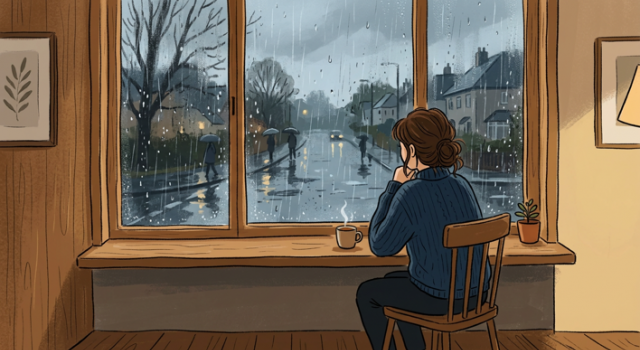
As winter settles across New Zealand, mental health experts are reminding people that feeling a little flat during the colder, darker months is common but there are simple, evidence-based ways to reduce its impact.
Speaking on Newstalk ZB's The Nutters Club, psychotherapist Kyle MacDonald said while Seasonal Affective Disorder (SAD) is most pronounced in countries with extremely short winter days, many New Zealanders experience a milder seasonal decline in mood.
"We know it's pretty normal to feel a bit down at this time of year," MacDonald said, noting shorter days, colder weather and reduced activity can all contribute to lower energy levels and poorer mental wellbeing.
His first piece of advice was simple: get outside.
MacDonald said exposure to natural daylight plays an important role in regulating the body's internal clock while also supporting vitamin D production. Even spending ten minutes outdoors during daylight hours can help reset the brain's natural sleep-wake rhythm, particularly for people who work indoors or from home.
"Get sunlight on the eyeballs," he said, encouraging people to make time for daylight even on cold winter mornings.
Maintaining routines is equally important. MacDonald warned it becomes easier during winter to abandon exercise, social activities and healthy habits, creating a cycle that can reinforce low mood.
"If we do the behaviours of depression, we can start to feel a bit depressed," he explained, encouraging people to continue exercising, keep regular sleep routines and resist the temptation to withdraw socially.
Listeners also shared practical strategies that have helped them through winter.
One caller said visiting the beach with a friend for fish and chips lifted her spirits, while another recommended walks with pets, meeting friends for coffee and simply sitting in a sunny park whenever possible. Others highlighted the benefits of libraries, museums, bookshops and community spaces as welcoming places to spend time outside the home.
Long-time caller Brenda credited counselling with helping her navigate difficult periods, saying finding the right therapist had made a significant difference to her wellbeing. She also encouraged people to keep a journal before appointments to make the most of each session.
Host Hamish Williams said the common thread running through the discussion was that small actions matter. Whether it's taking a short walk, catching up with a friend, reading in the sunshine or simply leaving the house for a few minutes, those everyday habits can help prevent winter's darker days from becoming overwhelming.
The message from both experts and listeners was clear: while winter can affect mood, staying connected, staying active and seeking sunlight wherever possible remain some of the most effective and accessible ways to keep the seasonal blues at bay.