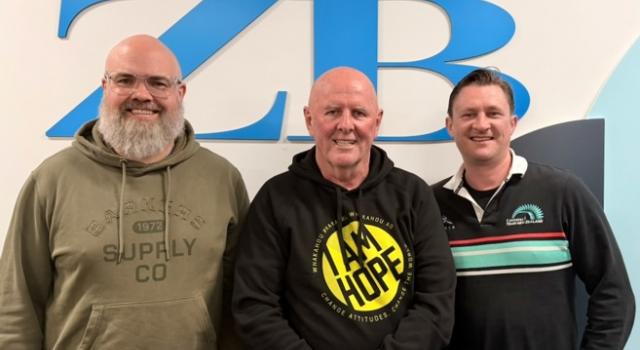
A Christchurch grandfather has turned the grief of losing his teenage grandson into a campaign for open conversations about mental health.
Jimmy Gifford shared that his grandson Justin died by suicide two years after confiding in him about bullying, family pressures and self-harm. Justin was 15 when he spoke to Gifford.
Gifford said he had noticed Justin behaving unusually before the teenager asked him to stop the car and disclosed that he was struggling. The conversation prompted Gifford to take him back to Auckland, seek medical help and tell Justin’s mother, with Justin’s agreement.
A doctor referred Justin to the Waitākere Hospital crisis team, and he received five weeks of counselling, Gifford said. While he saw a change in the teen during that time, Justin tragically died two years later.
Justin had been a high-achieving student who hoped to become an architect, Gifford said. He taught himself guitar and piano through YouTube and helped establish a school band, which later performed at his wake.
In the interview, psychotherapist Kyle MacDonald said Gifford’s response to the initial disclosure had followed key principles: responding seriously, being direct and honest, involving the young person in decisions and seeking professional help.
Gifford said young people who cannot speak with their parents should identify another trusted adult, such as a grandparent, aunt, uncle or family friend. He said Justin’s willingness to speak had shown strength.
Since Justin’s death, Gifford has raised funds for youth mental-health charity I Am Hope and used community events to encourage discussion of suicide and distress. He said the fundraising was both a way to support young people and to live with his grief.
Gifford said he and supporters had raised enough money to fund more than 300 counseling sessions for young New Zealanders.
He is planning a further fundraising events and holds regular raffles at the Pig and Pint in Pegasus. The work however was about more than money, it was about making it less frightening for people to ask how someone is doing.
Gifford urged parents to pause when children return from school, ask about their day and make time to listen. He also encouraged small acts of connection, saying a greeting or a smile may give someone an opening to talk.