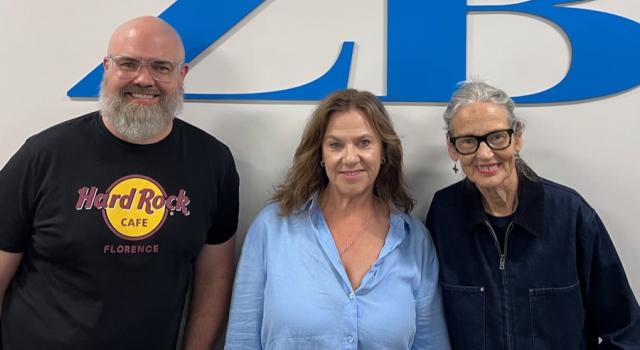
Journalist and mental health coach Paulette Crowley says an ADHD diagnosis in her 50s helped her understand why she was still struggling years after she stopped drinking. Crowley described going to rehab at 19, spending years in and out of recovery, and eventually using that experience to help others get sober and stay sober.
Crowley said she started drinking at about 14. When she went into hospitality, going out with colleagues after a shift was part of the job’s social life. At 19, she entered the Salvation Army’s Bridge programme and stayed sober for about a year. She said the programme gave her a way to talk about recovery that stayed with her after she returned to drinking.
Over the years that followed, Crowley went to counselling and had several stretches of sobriety. By the time of the interview, she had been sober for more than 11 years. She recalled expecting to feel a sense of relief when she stopped drinking, but said she continued to experience anxiety and depression.
Crowley sought an ADHD assessment after her daughter was diagnosed. Looking back, she could see how much she had struggled at school with organising assignments, preparing for exams and managing her emotions. She said those difficulties had been easy to miss because she generally got good marks.
The diagnosis also gave her a way to understand a pattern she had experienced throughout her working life. She would push herself hard, burn out and take time to recover, then go back to working at the same pace. Crowley said the cycle took a toll on her health, work and relationships. She still has to pay attention to how much she takes on.
Crowley, who has written about addiction treatment for The Listener, said helping people in recovery had been one of the most rewarding things she had done. That experience led her to train as a mental health coach, a role she now uses to help people find practical ways to get sober and stay sober.